
5 Infamous West Country Pirates
Ahoy There Mateys! Here at Toad Hall Cottages we relish the opportunity to stick on our imaginary eye patches, fasten our figurative peg legs and brush up on our most gravelly pirate lingo, it’s the very least we can do on International Talk Like A Pirate Day, and arrrrrrgh me hearties to that!
This annual lampoon is now a well-established affair, attracting attention across the globe, a celebration of the salty dialect of some of the West Country’s most notorious old sea dogs. What’s not to love?

To help get you in the mood for this auspicious arrrrghcasion, we’ve put together a blog full of audacious buccaneers, a rogue’s gallery occupied by the region’s most infamous pirate folk, all of them scourges of the seven seas.
Five of the West Country’s Most Rambunctious Pirates…
Henry ‘Long Ben’ Avery
Born in the waterside village of Newton Ferrers in the 1650s, Henry Avery’s seafaring adventures began on the decks of merchant vessels and gun boats, serving king and country. However, in 1694 he led a bloodless mutiny aboard the warship Charles II following a dispute over unpaid wages, and a life of piracy prevailed. Known by many as ‘The King of Pirates’, Avery’s escapades saw him plundering ships along the African coast, the Indian Ocean and the Caribbean. His most famous bounty came courtesy of the Grand Moghul of India’s fearsome gun boat Ganj-i-Sawai and its precious treasure trove of gold and silver. Avery’s ship Fancy pursued its prize for eight days and nights, finally overtaking her in waters off Surat. The victorious crew of the Fancy are believed to have subjected their hostages to unspeakable acts, some choosing to jump overboard rather than face their tormentors. Not much is known about Avery’s demise, some say he returned to English shores broke and penniless while others suggest he died at sea. Despite his involvement in the darker arts of privateering, Avery is often celebrated as a Robin Hood type of figure and is said to have inspired countless others into a life of piracy.
Harry ‘Plunderer’ Paye
Our next West Country scallywag hailed from Poole Harbour and made a name for himself plundering French and Spanish galleons. Harry Paye patrolled the waters around Normandy and often lurked in the Bay of Biscay and Cape Finistère, kidnapping hostages and holding them to ransom as well as emptying their treasure chests. Such was his infamy, in 1405 a mustered fleet of Spanish and French gun boats stormed Paye’s hometown of Poole in retaliation for his marauding, eventually retreating after an ardent rally of embittered townsfolk. Among the casualties was Paye’s brother who was fatally wounded during the melee. This didn’t deter the pirate from Poole, who continued to harry French vessels for salt, iron and oil. He enjoyed high rank as a sea commander for the Cinque Ports and played a key role in thwarting the Welsh revolts.
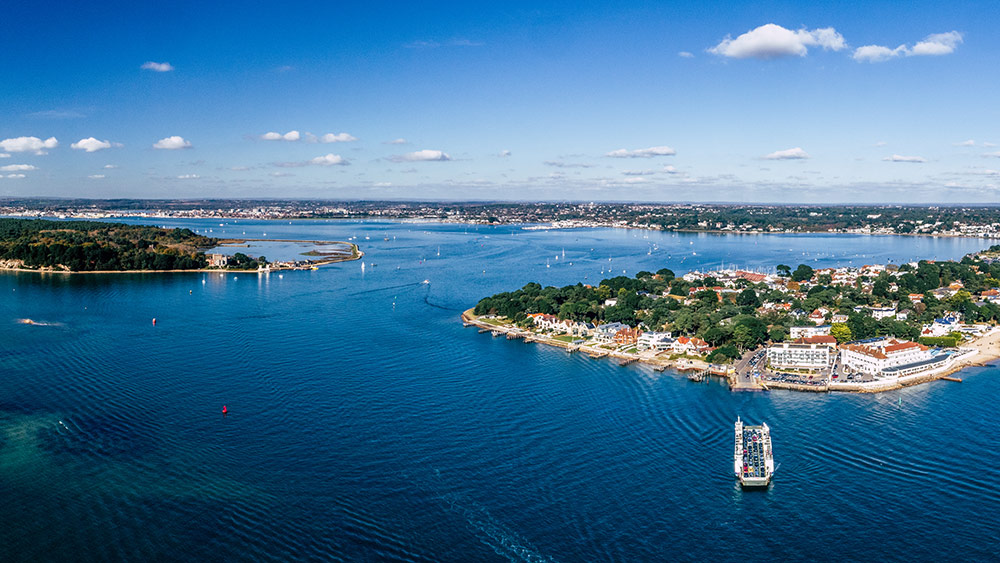
Some believe the iconic chalky sea stacks known as Old Harry Rocks were named in his honour. Few seafarers knew the channel tides and ocean currents as well as Harry Paye, who upon his death was buried with the title of ‘Armiger’, or Esquire, a rank exclusive to nobles and those of high social standing.
Edward Teach, ‘Blackbeard’
Edward Teach, better-known as ‘Blackbeard’, rose to infamy on the Atlantic trade winds, seizing dozens of ships, often without firing a single bullet. Blackbeard was a shrewd character and employed gun boat diplomacy to overwhelm and intimidate his opponents into raising the white flag. Little is known about his early years or what led him to a life on the ocean wave, although early records show he served as a privateer during Queen Anne’s War. Capturing a French merchant ship and renaming her Queen Anne’s Revenge, Teach loaded the gun decks with forty canons and cut a terrifying presence on the quarterdeck with his long flowing raven-black beard and his fabled lit fuses that he tied beneath his tricorn hat. He set about forming a number of close alliances, privateers Benjamin Hornigold and Stede Bonnet among his regular cohorts. His reign of terror only lasted for eighteen months, but during this stint he was unrelenting in his piracy and was extraordinarily prolific in his racketeering. It’s said that the British naval ship that finally outwitted him exhibited his severed head and straggling locks from the bowsprit in defiance of his legend.
Lady Killigrew ‘The Cornish Sea Wolf’
If you think piracy was a pursuit exclusive only to men you’d be thoroughly mistaken, for women too once trimmed the high seas in search of ill-gotten gains. Described as a ‘tough and formidable’ businesswoman, one of the most famous she pirates of the day was Lady Mary Killigrew, daughter of the renowned gentleman and corsair, Philip Wolverston of Suffolk, who married into the ancient Cornish Killigrew family and settled in Penryn. Her husband, Sir John Killigrew, was a man of high social standing, disguising his own clandestine life of piracy behind his aristocratic veneer, which often involved the handling of stolen cargo and smuggled goods.
Lady Mary also became immersed in these shady misdemeanours, at the height of her piracy looting a Spanish galleon moored in Falmouth Bay and murdering its crew, but not before entertaining the ship’s unsuspecting captain and boarding party who remained blissfully unaware of their host’s chicanery. The outraged Spaniards caught wind of her treachery and hurried to London to level charges to the highest authorities, also accusing Lady Killigrew’s son – who presided over the initial investigation – of colluding with his mother and tampering with evidence. The accusations were too compelling and Lady Killigrew, along with two of her accomplices, were sentenced to the gallows. However, it helps if you’ve friends in high places as Mary was pardoned by Queen Elizabeth I…but only after a number of opportune bribes.
‘Black’ Sam Bellamy, ‘Prince of Pirates’
Known as ‘Black Sam’ on account of his fashionable powdered wig, Sam Bellamy was renowned for the clemency he would show towards his captives, which is why he was also referred to as the ‘Prince among Pirates’. Hailing from the rural Dartmoor parish of Hittisleigh, Bellamy’s tenure under the fluttering Jolly Roger lasted barely a year, however, during that time he captured tens of ships and rubbed shoulders with many other legendary buccaneers, including Edward Teach, more commonly known as ‘Blackbeard’.
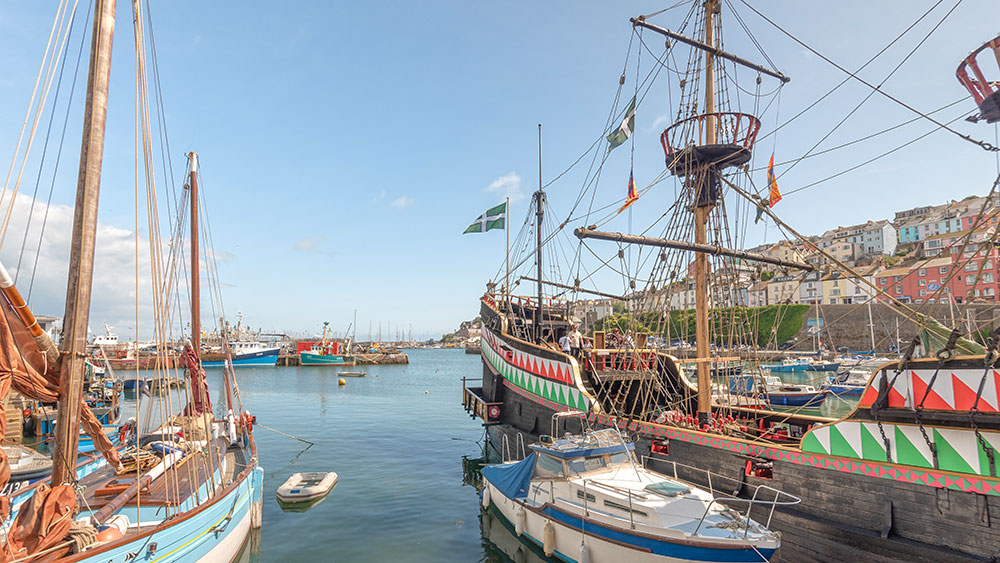
Described as a ‘dashing figure’ of sartorial elegance who commanded with an unusual egalitarian style, Black Sam’s most famous prize was the Whydah Gally (the largest pirate prize ever captured) seized during the second leg of its maiden voyage and laden with a precious cargo of gold, ivory and indigo. Bellamy chased the impressive vessel for three days, but rather than hold the crew to ransom or cast them adrift, he swapped his own ship Sultana for the Whydah and sent them on their way with only a single shot fired in anger. He died along with his crew during a violent storm off Cape Cod aged twenty-eight. The wreckage of the Whydah was discovered in 1982 and announced to the world some two years later, its sunken treasure trove weighing nearly five tons!
Smuggle yourselves away to the West Country for a cottage holiday to treasure when you book a stay with Toad Hall Cottages